Understanding the Differences: Lipedema or Cellulite?
Many women glance at dimpled skin on their thighs or buttocks and immediately think "cellulite." While often correct, sometimes these changes can mask a more serious, chronic condition: Lipedema. Distinguishing between Lipedema and Cellulite is crucial for proper understanding, peace of mind, and effective treatment. Though they might appear similar at first glance, especially in early stages, these two conditions have fundamentally different causes, symptoms, and impacts on a person's health and well-being. The confusion between Lipedema or Cellulite is widespread. Cellulite, colloquially known as "orange peel skin," is primarily a cosmetic concern involving uneven fat distribution and connective tissue changes. Lipedema, on the other hand, is a painful, chronic disease characterized by a pathological accumulation of fat, predominantly in the limbs. Recognising these key distinctions is the first step towards seeking appropriate advice and care.Understanding Cellulite: The Common "Orange Peel Skin"
Cellulite is an extremely common, entirely normal change in the structure of the skin and underlying connective tissue. Affecting an estimated 80 to 90 percent of women at some point in their lives, it is not considered a disease but rather a natural aesthetic variation.What is Cellulite?
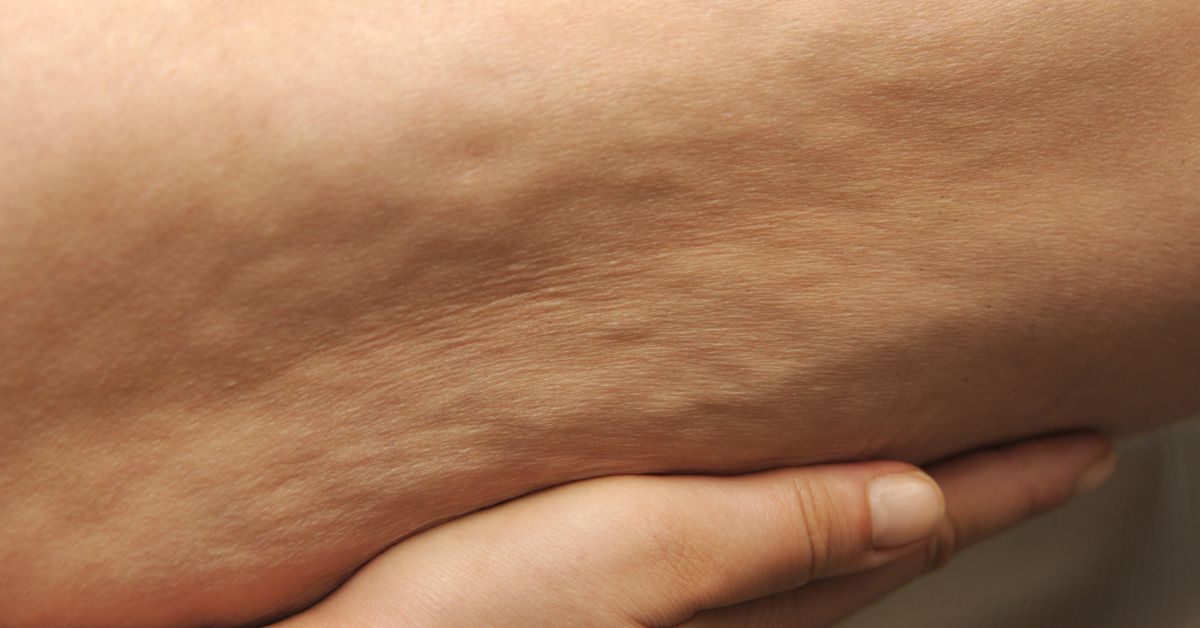
Cellulite manifests as dimpled, uneven skin, most commonly observed on the thighs, buttocks, and sometimes the arms. It occurs when fat cells beneath the skin push against the connective tissue, causing the overlying skin to pucker and create an undulating surface. This phenomenon is largely influenced by:- Hormonal Factors: Estrogen plays a significant role, affecting fat distribution and the strength of connective tissue.
- Genetics: Predisposition to cellulite is often inherited.
- Connective Tissue Structure: Women typically have weaker, more parallel connective tissue strands than men, making them more prone to cellulite.
- Lifestyle: While not a direct cause, factors like poor diet, lack of exercise, and dehydration can exacerbate its appearance.
Lipedema: More Than Just "Fat" – A Painful, Chronic Disorder
In stark contrast to cellulite, Lipedema is a serious, chronic disorder of fat tissue that almost exclusively affects women. It's a progressive condition that goes far beyond cosmetic concerns, significantly impacting physical comfort, mobility, and overall quality of life.What is Lipedema?
Lipedema is characterized by a symmetrical, often disproportionate, accumulation of fat cells, typically in the legs, hips, and buttocks, and sometimes the arms. A crucial distinguishing feature is that the feet and hands are usually spared, creating a distinctive "cuff" effect at the ankles and wrists. This abnormal fat accumulation is stubborn and resistant to conventional weight loss methods like diet and exercise. Even with significant overall weight loss, the Lipedema-affected areas remain disproportionately large. Key symptoms that set Lipedema apart include:- Pain and Tenderness: The affected areas are often tender to the touch, and individuals may experience chronic pain, pressure, or a heavy sensation in their limbs. This pain can worsen throughout the day or after prolonged standing or sitting.
- Easy Bruising: People with Lipedema often bruise easily, even from minor bumps or pressure.
- Swelling: Edema (swelling) is common, particularly in the lower legs, and can worsen in warmer weather or after physical activity. Unlike typical fluid retention, Lipedema swelling is due to changes in fat tissue and can be hard to reduce.
- Skin Changes: The skin in affected areas may feel cold, have a doughy texture, or develop small nodules. As the condition progresses, the skin can become harder and more fibrotic.
- Disproportionate Body Shape: A clear discrepancy often exists between the slimmer upper body (torso) and the significantly larger lower body (hips, thighs, calves).
Lipedema or Cellulite? Key Differentiators
When trying to figure out whether you're dealing with Lipedema or Cellulite, focusing on specific symptoms and characteristics is paramount. Here's a comparative overview:1. Pain and Tenderness:
- Cellulite: Generally painless.
- Lipedema: A defining symptom. Affected areas are often painful to touch, feel heavy, and experience pressure or aching sensations.
2. Swelling and Edema:
- Cellulite: Does not cause significant swelling.
- Lipedema: Often accompanied by noticeable swelling (edema), particularly in the lower limbs, which may worsen throughout the day or with activity.
3. Fat Distribution and Symmetry:
- Cellulite: Can appear anywhere, often patchy, and doesn't necessarily create body disproportion.
- Lipedema: Characterized by symmetrical fat accumulation, typically in the lower body (or arms), while sparing the hands and feet. This leads to a distinct disproportion between the upper and lower body.
4. Response to Diet and Exercise:
- Cellulite: While overall weight loss can sometimes improve the appearance of cellulite, it doesn't eliminate it entirely, as it's a structural skin change.
- Lipedema: The affected fat tissue is highly resistant to traditional diet and exercise. The disproportion remains, even with aggressive weight loss elsewhere in the body.
5. Bruising:
- Cellulite: Bruising is not a typical symptom.
- Lipedema: Individuals frequently report easy and unexplained bruising.
6. Skin Texture:
- Cellulite: "Orange peel" or "cottage cheese" texture, mostly superficial.
- Lipedema: Skin can feel cold, doughy, or lumpy due to nodular fat deposits. In later stages, it may harden and become fibrotic.
Why Accurate Diagnosis of Lipedema or Cellulite Matters
The consequences of misdiagnosing Lipedema as mere cellulite or general obesity can be profound. Patients often endure years of frustration, self-blame, and ineffective weight loss attempts, leading to significant psychological distress and a delay in receiving appropriate care. For cellulite, understanding it's a normal cosmetic condition can bring peace of mind and help manage expectations regarding aesthetic treatments. For Lipedema, an accurate diagnosis is the gateway to managing its progression and alleviating symptoms. Treatment for Lipedema focuses on conservative therapies such as compression garments, manual lymphatic drainage, and specific types of liposuction designed to remove diseased fat tissue. Without diagnosis, the condition can progress, leading to increased pain, mobility issues, and the potential development of secondary lymphedema.When to Seek Professional Medical Advice
If you suspect you might have Lipedema, or if your symptoms don't align with typical cellulite, it's crucial to consult a healthcare professional. Pay close attention to these warning signs:- Persistent pain, tenderness, or a heavy sensation in your limbs.
- Noticeable disproportion between your upper and lower body, with fat accumulation that doesn't respond to diet or exercise.
- Easy bruising in the affected areas.
- Swelling that worsens throughout the day, especially in your legs, and doesn't resolve with elevation.
- Hands and feet that are consistently spared of fat accumulation, creating a "cuff" effect.