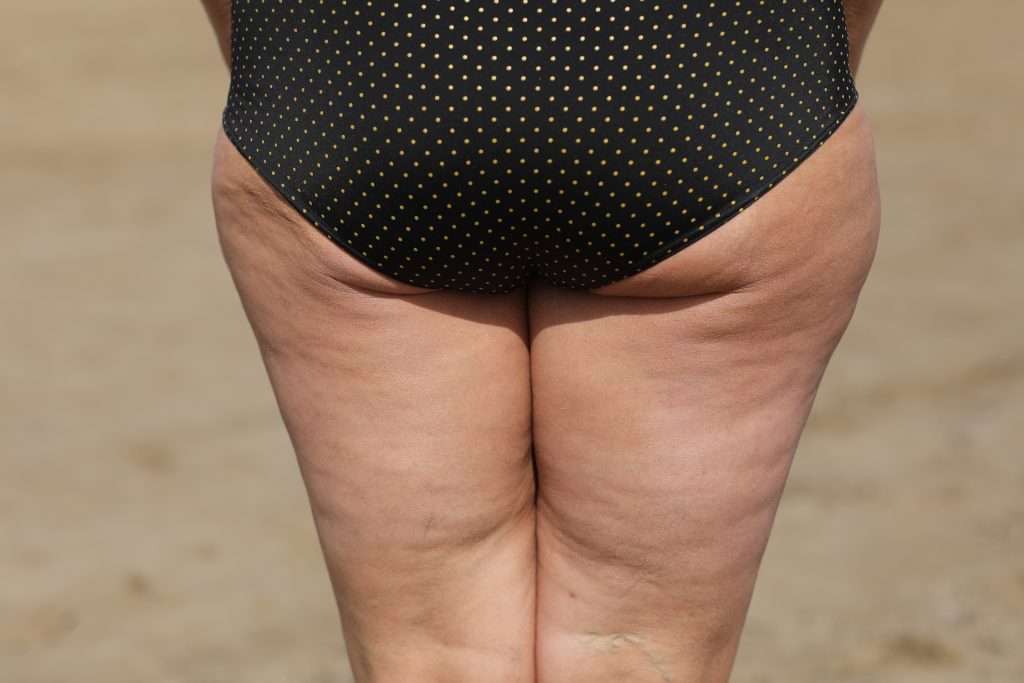
Lipedema vs. Cellulite: How to Spot the Key Differences
For many, the sight of dimpled skin on the thighs or buttocks immediately brings to mind "cellulite." While often correct, there's another, far more serious condition that can mimic these visual cues: Lipedema. The confusion between these two can lead to delayed diagnosis and inappropriate management, especially concerning "Lipödem Oder Cellulite." Understanding the fundamental distinctions between Lipedema and Cellulite is crucial for anyone experiencing uneven skin texture or unexplained swelling. Though they might appear similar at first glance, their underlying causes, symptoms, progression, and treatment approaches are entirely different. This article aims to clarify these differences, providing valuable insights to help you identify which condition might be affecting you.
Understanding Cellulite: More Than Just "Orange Peel Skin"
Cellulite, often colloquially referred to as "orange peel skin," is a remarkably common and entirely normal skin alteration, affecting a staggering 80 to 90 percent of all women at some point in their lives. Despite its widespread prevalence, it is crucial to understand that cellulite is not a disease. Instead, it represents a change in the appearance of the skin's surface, characterized by dimples and an uneven, lumpy texture, most frequently observed on the thighs, buttocks, and sometimes the upper arms.
The primary culprits behind cellulite are a combination of hormonal influences, particularly estrogen, and genetic predisposition. Women naturally possess a different connective tissue structure compared to men; their collagen fibers are arranged in parallel rows, creating compartments that are more prone to allowing fat cells to bulge outwards towards the skin's surface. As fat cells enlarge within these compartments, they push against the skin, while the tough, fibrous bands of connective tissue (septae) hold fast, creating the characteristic dimpled effect. Factors like age, skin elasticity, lifestyle, and even body fat percentage can influence its visibility, though cellulite can affect women of all shapes and sizes, regardless of their weight.
From a medical perspective, cellulite is benign. It causes no physical pain, no swelling, and no inflammation. While many women find it aesthetically displeasing and often seek cosmetic solutions, there is no medical necessity for treatment. It does not impair physical function or pose any health risks. This crucial absence of pain and medical consequence is one of the most significant differentiating factors when considering "Lipödem Oder Cellulite."
Unraveling Lipedema: A Chronic, Painful Fat Disorder
In stark contrast to cellulite, Lipedema is a serious, chronic medical condition primarily affecting women. It is a progressive disorder characterized by a disproportionate and often painful accumulation of fat, predominantly in the legs, hips, and buttocks, and frequently also in the arms. A hallmark feature of Lipedema is that the hands and feet are typically spared, creating a distinctive "cuffing" effect at the wrists and ankles where the fat accumulation abruptly stops. This unique distribution pattern is a key diagnostic indicator.
Lipedema is far more than just excess fat; it's a chronic fat distribution disorder where the subcutaneous fat tissue itself becomes diseased. This abnormal fat is often described as feeling soft and "nodular" in its early stages, progressing to become hardened and fibrous over time. Unlike regular fat gained through diet, Lipedema fat is remarkably resistant to traditional weight loss methods like diet and exercise. Even with significant caloric restriction or rigorous physical activity, the affected areas of the body will retain their disproportionate size, while the unaffected areas (like the torso, hands, and feet) may slim down, further exacerbating the disproportionality.
The symptoms of Lipedema extend far beyond aesthetics and significantly impact a woman's quality of life. Patients frequently report:
- Pain: A persistent, often severe aching or burning pain in the affected limbs, which can worsen throughout the day, with activity, or in warmer weather.
- Pressure Sensitivity: Even light touch or pressure can be extremely painful.
- Easy Bruising: Affected areas bruise with minimal trauma, often without recollection of injury.
- Swelling: A heavy, full, or tight sensation in the limbs, often accompanied by visible swelling, which may increase during the day.
- Disproportionate Body Shape: A clear discrepancy between a slender upper body and larger lower body, or arms that are much larger than the torso.
- Fatigue: A general feeling of heaviness and tiredness in the limbs.
- Mobility Issues: As the condition progresses, increased fat volume can impede movement and lead to joint problems.
These symptoms are crucial for distinguishing Lipedema from other conditions, including simple cellulite. Ignoring these warning signs can lead to delayed diagnosis and progression of the disease. For a deeper understanding of the symptoms beyond cosmetic concerns, you might find value in exploring
Beyond Cosmetic: Understanding True Lipedema Symptoms.
Lipedema vs. Cellulite: A Detailed Comparison
When facing the question of "Lipödem Oder Cellulite," understanding the distinct characteristics of each is paramount. While both can involve dimpled skin, their fundamental nature, symptoms, and impact on life are worlds apart. Let's break down the key differences:
Nature of the Condition
- Cellulite: A common, aesthetic skin change. It is not a disease and has no medical implications.
- Lipedema: A chronic, progressive medical disease characterized by a pathological fat accumulation. It significantly impacts health and quality of life.
Symptoms and Physical Sensation
- Cellulite: Typically painless. No swelling, tenderness, or easy bruising. The skin feels normal to the touch, perhaps slightly bumpy.
- Lipedema: Often very painful to the touch and pressure. Patients experience a constant aching or burning sensation. There is a strong tendency for swelling (edema), particularly later in the day, and frequent, unexplained bruising. The affected fat tissue can feel cold to the touch and may develop painful nodules or hardened areas.
Fat Distribution and Body Proportions
- Cellulite: Can appear anywhere there is fat, most commonly on the thighs, buttocks, and sometimes arms. It doesn't typically create significant body disproportion.
- Lipedema: Characterized by a disproportionate, symmetrical increase in fat on the legs (from hips to ankles) and/or arms (from shoulders to wrists). Crucially, the feet and hands are almost always spared, creating a distinct "cuff" effect. The trunk is generally unaffected in early stages, leading to a noticeable difference in size between the upper and lower body.
Response to Diet and Exercise
- Cellulite: While diet and exercise may improve overall body composition and skin tone, they rarely eliminate cellulite entirely but can reduce its appearance.
- Lipedema: The affected fat is highly resistant to diet and exercise. Patients can lose weight from their unaffected areas (e.g., torso) but the Lipedema-affected limbs remain disproportionately large, making it a frustrating and distinguishing factor.
Progression
- Cellulite: Does not progress as a medical condition; its appearance might fluctuate with weight or age but it doesn't worsen in terms of health impact.
- Lipedema: Is a progressive disease. Without intervention, it typically worsens over time, leading to increased pain, swelling, mobility issues, and potential complications like secondary lymphedema.
If you're experiencing symptoms that suggest painful swelling or persistent dimples that don't respond to typical weight loss, delve deeper into a
Painful Swelling or Dimples? Lipedema vs. Cellulite Guide for more detailed insights.
When to Seek Medical Advice
It's common for individuals, and even some healthcare professionals, to initially mistake Lipedema for simple weight gain or cellulite. However, recognizing the distinct signs is paramount for timely diagnosis and management. If you suspect you might have Lipedema, pay close attention to the following warning signs:
- Persistent and disproportionate fat accumulation on your legs and/or arms that doesn't respond to diet or exercise.
- Chronic pain, tenderness, or a heavy sensation in the affected limbs.
- Frequent, unexplained bruising.
- Noticeable swelling that worsens throughout the day, especially in the legs.
- Disproportionate body shape where your torso is much smaller than your lower body or arms, with hands and feet remaining unaffected.
- A family history of similar symptoms.
If these symptoms resonate with your experience, it is crucial to consult a medical professional, ideally one familiar with Lipedema. A proper diagnosis from a physician is the only way to confirm the condition and embark on an appropriate treatment plan.
Conclusion
While both Lipedema and Cellulite can present as uneven skin texture and fat deposits, they are fundamentally different conditions. Cellulite is a common, harmless cosmetic concern, a natural variation in the skin's appearance that affects most women. Lipedema, on the other hand, is a chronic, painful, and progressive disease of the fat tissue that significantly impacts a woman's physical health, emotional well-being, and mobility. Distinguishing between "Lipödem Oder Cellulite" is the first critical step toward appropriate care. If you experience persistent pain, disproportionate swelling, easy bruising, or fat distribution that resists diet and exercise, do not hesitate to seek a medical evaluation. Early and accurate diagnosis of Lipedema is key to managing symptoms, slowing its progression, and improving your quality of life.